Gisela Günther · 2 September 2026
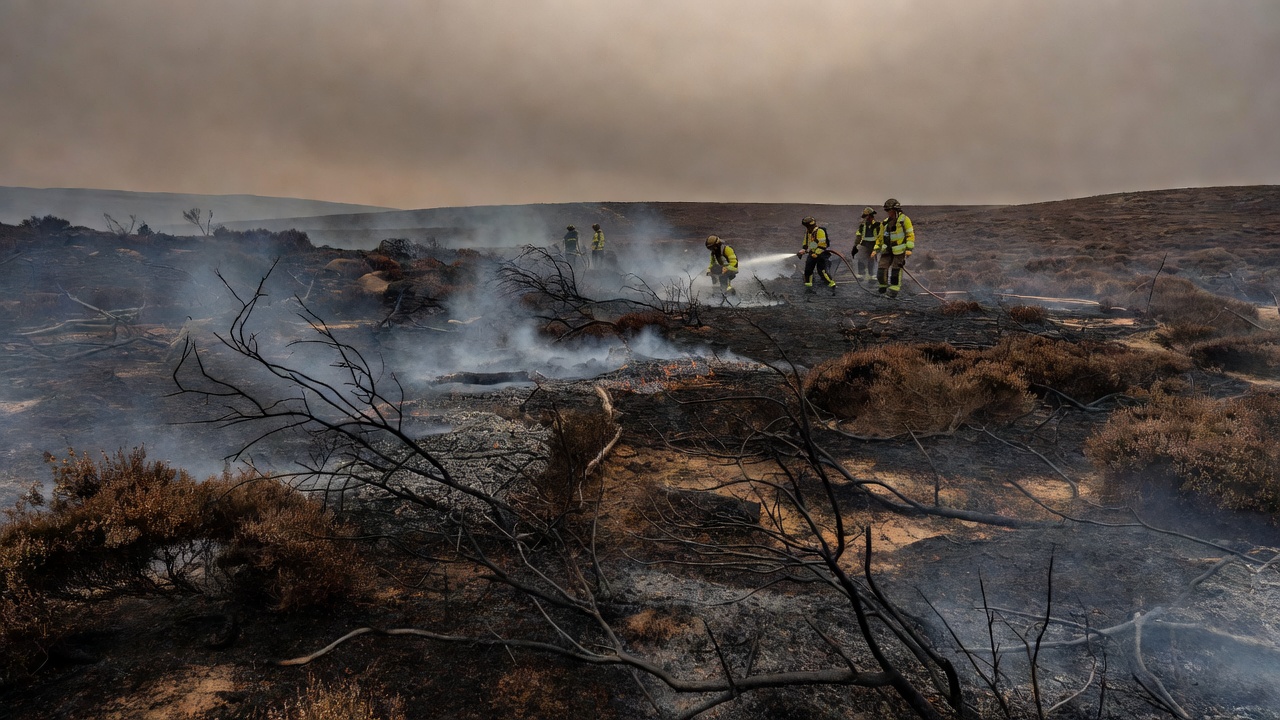
Recent wildfires have caused significant damage to protected heathland areas across several key conservation sites. Ecologists report that thousands of acres have been affected, threatening the delicate balance of these unique ecosystems. Heathlands support a wide array of specialized flora and fauna, making their protection crucial for maintaining biodiversity. The fires, often fueled by prolonged dry spells, underscore the need for enhanced preparedness in the face of climate variability.
Impact on Biodiversity
The destruction of vegetation has led to habitat loss for many species. Insects that rely on specific plants are particularly affected, disrupting food chains. Bird populations, including those of conservation concern, face reduced nesting sites. Mammals and reptiles experience displacement, increasing their exposure to predators and reducing breeding success. Furthermore, the fires can alter soil chemistry, affecting microbial communities essential for nutrient cycling. Long-term monitoring is required to understand the full extent of these changes and to develop appropriate management responses. Recovery timelines vary, but some areas may not return to their original state without intervention.
Additional concerns include the potential spread of diseases in stressed animal populations and the loss of genetic diversity in plant species due to reduced population sizes.
Recovery and Prevention Strategies
Authorities and conservation groups are focusing on rapid assessment of burned areas to prioritize restoration. Techniques include manual removal of invasive species that may colonize the disturbed land and planting of native heath species to accelerate recovery. Preventive measures encompass better fire detection systems, public awareness campaigns about fire safety in natural areas, and research into fire-resistant plant varieties. International cooperation is also being sought to share best practices in heathland fire management. These combined efforts aim to safeguard the ecological integrity of heathlands against future threats. Funding for such initiatives remains a challenge, requiring support from both government and private sectors.
Overall, the situation calls for a multifaceted approach to conservation that integrates scientific research with practical on-ground actions.