Mara Simmons · 2 September 2026
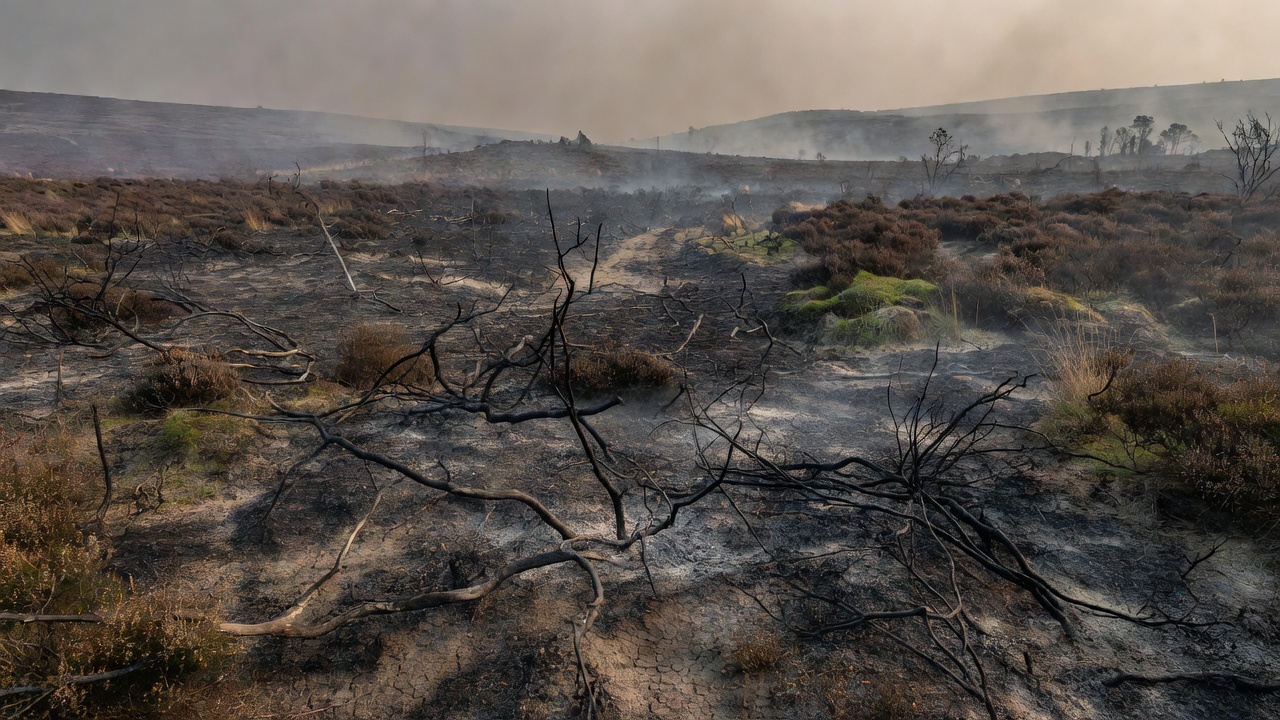
Wildfires have recently ravaged several protected heathland sites in various regions, leading to extensive damage that threatens the delicate balance of these unique ecosystems. Conservationists and ecologists are now assessing the full extent of the destruction caused by these fires and planning comprehensive recovery measures to restore these vital habitats for future generations. The incidents highlight the increasing vulnerability of heathlands due to changing climate patterns and human activities.
Effects on Flora and Fauna
The intense heat from the fires has destroyed large areas of heather and other characteristic plants, which form the backbone of heathland biodiversity. Many insect species dependent on these plants have seen population declines, affecting the food chain for birds and mammals. Ground-nesting birds such as the Dartford warbler have lost nesting sites, while reptiles like the sand lizard face habitat loss. Soil erosion is also a concern as protective vegetation cover is gone, potentially leading to nutrient loss and altered soil chemistry that hinders regrowth. Furthermore, the loss of mature heather stands disrupts the lifecycle of specialized invertebrates, reducing overall species diversity in the affected zones.
Experts note that heathlands require specific conditions to thrive, and repeated fires can prevent natural regeneration processes from occurring effectively. Invasive species may take hold in the disturbed areas, further complicating recovery efforts by outcompeting native flora. Water tables in these regions could be affected due to changes in vegetation, impacting associated wetland features within heathlands and altering hydrological patterns essential for ecosystem health.
Recovery and Future Prevention
Conservation organizations are implementing strategies including reseeding with native heather varieties and creating firebreaks to limit future spread of wildfires. Community involvement in monitoring and habitat management is being encouraged to support long-term resilience of these important ecological areas. Research into fire-resistant plant strains and better predictive modeling for wildfire risks is underway to safeguard these areas against climate change exacerbated events that are becoming more frequent.
Policy makers are urged to increase funding for heathland protection and integrate ecological considerations into land use planning to prevent similar incidents. Educational programs aim to raise awareness about the importance of heathlands and the dangers of uncontrolled fires from various sources. With coordinated efforts from government, NGOs, and local communities, there is hope that damaged heathlands can recover and continue to support their unique array of species while providing essential ecosystem services.