Morgan Peters · 2 September 2026
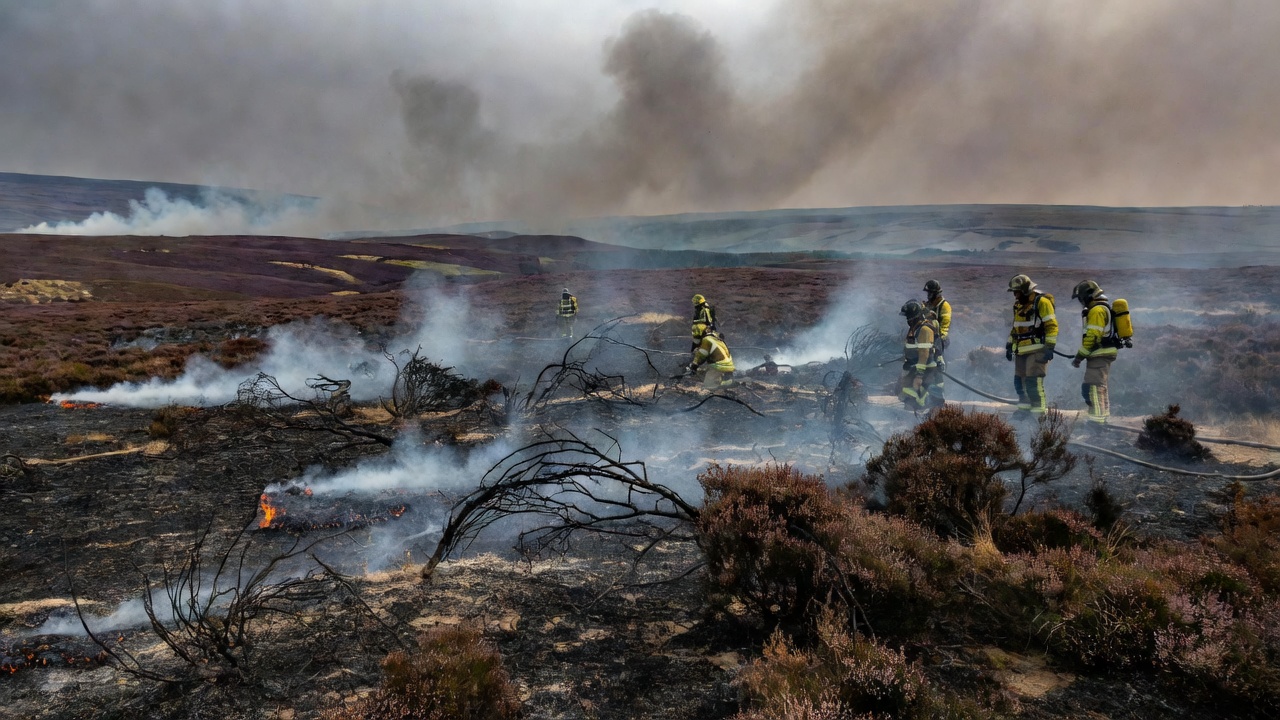
Recent wildfires have caused extensive damage to protected heathland areas across several regions, threatening unique ecosystems that support rare flora and fauna. Heathlands, characterized by low-growing shrubs and acidic soils, provide critical habitats for species such as the Dartford warbler and sand lizard. Experts report that dry conditions exacerbated by prolonged drought have fueled rapid fire spread, burning thousands of hectares in protected zones.
Extent of Ecological Damage
Surveys indicate that up to 40 percent of vegetation in affected sites has been lost, disrupting nutrient cycles and soil stability. Post-fire erosion risks have increased, potentially leading to long-term degradation of these fragile environments. Wildlife populations face immediate challenges, with many ground-nesting birds losing breeding grounds. Conservationists note that recovery could take decades without targeted intervention, as invasive species may colonize burned areas more quickly than native plants.
Monitoring data from satellite imagery and ground teams reveal hotspots where fires burned at high intensity, destroying deep-rooted heather stands essential for carbon storage. Biodiversity surveys post-incident show declines in insect populations that pollinate heathland flowers, creating ripple effects through the food chain.
Conservation and Recovery Efforts
Authorities have initiated controlled burns in unaffected zones to reduce fuel loads and prevent future outbreaks. Restoration projects include seeding native species and installing barriers to limit access by livestock and recreational users. Partnerships between government agencies and local groups aim to enhance fire detection systems using remote sensors.
Long-term strategies emphasize climate adaptation measures, such as creating firebreaks and promoting public awareness campaigns about responsible land use. Funding has been allocated for research into fire-resistant plant varieties to bolster resilience. These measures seek to balance ecological preservation with the realities of changing weather patterns that heighten wildfire frequency.